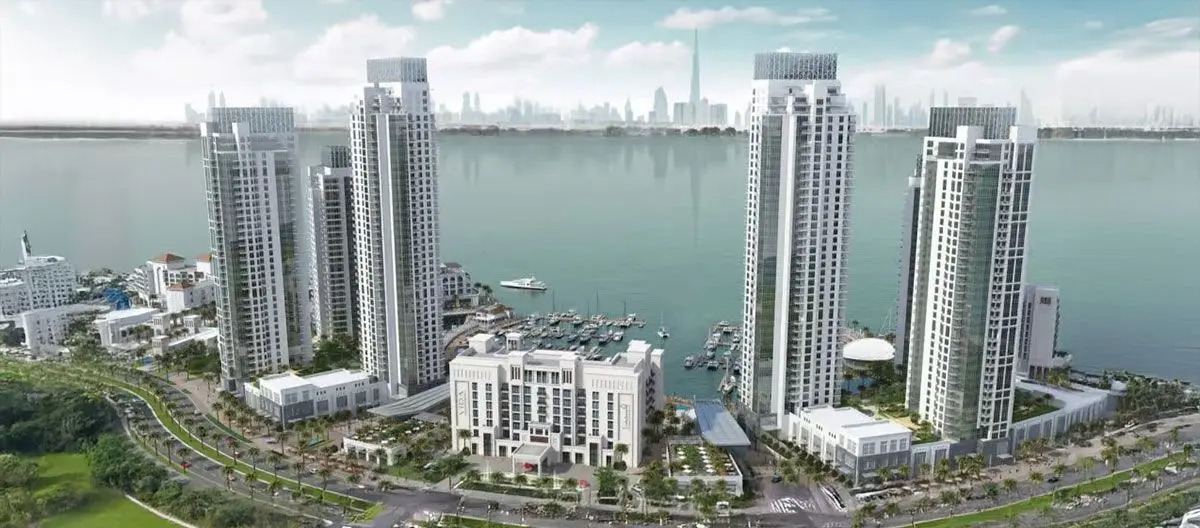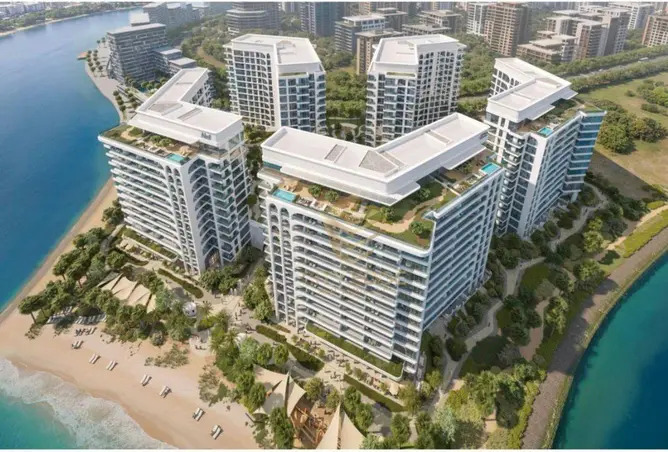

Can Foreigners Buy Property in Dubai?
Discover UAE Real Estate with Trusted Property Advisors


Dubai stands as one of the most open real estate markets in the Middle East for international buyers. Investors, professionals, families and second-home seekers from Europe, Asia, Africa, the GCC and beyond regularly ask the same core question: Can foreigners buy property in Dubai?
The answer is yes. Foreign nationals, including those who are not UAE residents, can purchase property in Dubai inside areas designated for foreign ownership. In these locations, eligible overseas buyers may acquire freehold title. Other forms of rights, such as usufruct and long-term leasehold, may also be available depending on the specific plot or development.
This guide outlines the key rules international buyers need to understand, based on Dubai Land Department frameworks and UAE government guidance.
Can Foreigners Buy Property in Dubai Without UAE Residency?
Yes. Foreigners can buy property in Dubai even if they do not hold UAE residency, provided the property sits within a designated freehold area.
Dubai Land Department confirms that foreign ownership is permitted in these approved locations. The UAE Government states that both expatriate residents and non-residents may acquire freehold ownership rights in designated areas. Dubai Land Department property-sale procedures also accept a valid passport for non-resident foreign purchasers.
This accessibility covers several groups of international buyers:
- UAE expatriate residents
- Overseas investors
- International professionals
- Foreign entrepreneurs
- Non-resident property buyers
- International families planning future relocation
- Buyers seeking second homes or holiday properties
A foreign buyer does not need to relocate to Dubai before acquiring eligible real estate.
What Is Freehold Property in Dubai?
Freehold ownership gives the registered owner rights over the property without a fixed expiry date. Dubai’s framework allows foreign nationals to hold freehold title in specifically designated locations.
Dubai Land Department describes freehold properties as locations where purchase is permitted for all nationalities. Properties classified as non-freehold carry different nationality-based restrictions.
Freehold status is a primary reason Dubai appeals to international buyers. It delivers a clearly registered ownership structure through the official real estate system. Depending on the development, freehold opportunities may include apartments, villas, townhouses, penthouses, residential plots, selected commercial properties and units within mixed-use communities.
Buyers should always confirm the ownership classification of the individual property rather than assuming an entire neighbourhood shares the same status.
Where Can Foreigners Buy Property in Dubai?
Foreign nationals can purchase freehold real estate only within areas officially designated for foreign ownership.
Many of Dubai’s established residential and investment districts contain freehold developments. Areas historically identified by Dubai Land Department guidance include Dubai Marina, Downtown Dubai, Palm Jumeirah, Business Bay, Jumeirah Lakes Towers, Jumeirah Beach Residence, Arabian Ranches, Dubai Sports City, Dubai Motor City, International City and Jumeirah Village.
The freehold landscape continues to evolve. In January 2025, Dubai Land Department announced that qualifying private properties in specified parts of Sheikh Zayed Road and Al Jaddaf could be converted to freehold ownership for all nationalities. This change applied to a defined number of plots and required an application, valuation and conversion process.
Because designation depends on the specific plot or development, international buyers should verify the property’s current status directly through Dubai Land Department before committing.
Can Foreigners Buy Off-Plan Property in Dubai?
Yes. Foreign buyers can purchase eligible off-plan property in Dubai as well as completed real estate.
Off-plan property refers to a unit bought before construction is fully completed. Dubai operates a regulated system for registering these transactions. Dubai Land Department states that units sold off-plan are recorded through the provisional real estate register. The initial sale registration process requires the sales and purchase agreement and accepts a valid passport for a non-resident purchaser.
Before purchasing an off-plan property, buyers should verify that the development is officially registered, the developer is licensed, the project holds the required approvals, and an approved project escrow account exists. Construction status, expected completion and the terms of the Sales and Purchase Agreement also require careful review. Registration of the buyer’s interest in the provisional register provides important protection.
Dubai Land Department offers services for checking licensed developers and project status. These tools can display development progress, developer details, inspection information and escrow account data.
What Documents Do Foreign Buyers Need?
Documentation varies according to the transaction and whether the buyer is a UAE resident.
For an individual non-resident purchasing property, the core requirement is a valid passport. Dubai Land Department’s property-sale registration service specifically accepts a valid passport for non-resident foreigners.
Depending on the transaction, additional documents may include:
- Signed Sales and Purchase Agreement
- Developer No Objection Certificate where applicable
- Proof of identity
- Mortgage documents if financing is involved
- Power of attorney where a representative acts for the buyer
- Additional compliance or banking documentation where required
When a power of attorney issued outside the UAE is used, specific authentication requirements may apply. Buyers should confirm the latest requirements before completing the transaction.
How Does Property Registration Work for Foreign Buyers?
Property registration forms a critical step in purchasing real estate in Dubai.
Dubai Land Department states that real estate transactions involving ownership and transfer must be registered to protect the parties’ legal rights. Transactions not properly recorded in DLD registers are not recognised as valid property transfers.
For a completed property transaction, the general process includes selecting an eligible property, verifying ownership status, reviewing seller, developer and property documentation, signing the relevant sale agreement, obtaining any required approvals or NOC, completing the transfer through an authorised registration channel, registering the new ownership with Dubai Land Department, and receiving the electronic title deed.
Dubai Land Department’s sale-registration service lists an electronic title deed among the documents issued following successful registration. Foreign buyers should ensure ownership is formally recorded rather than relying only on private contracts between buyer and seller.
Can Non-Residents Get a Mortgage in Dubai?
Dubai’s property registration framework accommodates mortgages involving non-resident foreigners. Dubai Land Department’s mortgage registration requirements include passport documentation for non-resident foreign owners.
Mortgage approval itself is determined by individual banks or financing institutions. A lender may consider applicant nationality, country of residence, income, employment or business profile, creditworthiness, property type, property valuation, existing financial commitments, loan-to-value requirements and bank-specific eligibility criteria.
International buyers planning to use finance should seek mortgage pre-approval before committing to a property whenever possible.
Does Buying Property Automatically Give a Foreigner UAE Residency?
Property ownership and UAE residency remain separate matters.
Owning qualifying real estate can support an application for certain property-owner or investor residence categories. However, purchasing any property does not automatically mean that residency will be granted.
The General Directorate of Identity and Foreigners Affairs – Dubai provides residence services for qualifying property owners and separately offers Golden Residence eligibility for qualifying real estate investors. Each route carries its own requirements and supporting documents.
Immigration requirements can change. Buyers whose main objective is obtaining residency should verify the latest official eligibility conditions before purchasing.
Why Do International Buyers Consider Dubai Property?
Dubai attracts international real estate buyers for several structural reasons beyond individual developments.
The city offers a well-established property-registration system, a substantial range of foreign-ownership areas and residential communities that suit different lifestyles. International buyers can explore options ranging from waterfront apartments and urban residences to villa communities, branded residences and family-focused neighbourhoods.
Other characteristics that draw foreign buyers include:
- A broad selection of freehold communities
- Modern residential infrastructure
- Strong international connectivity
- A large expatriate population
- Established property registration procedures
- Wide availability of new-build and completed properties
- Diverse lifestyle communities
- Access to both residential and commercial real estate opportunities
- Transparent project and developer verification services through Dubai Land Department
The suitability of any property depends on the buyer’s objectives. A property selected for personal residence may differ from one purchased for rental income or long-term holding.
Conclusion
Can foreigners buy property in Dubai? Yes. Dubai allows international and non-resident buyers to own property in designated freehold areas. Overseas purchasers gain access to a wide range of apartments, villas, townhouses, off-plan developments and other eligible real estate.
Successful purchases rest on careful research. Buyers should confirm the property’s freehold status, verify developers and projects, review contractual terms, understand registration requirements and complete appropriate due diligence before finalising a transaction.
For foreign buyers exploring Dubai’s property market, Spacesmith can help identify suitable communities and property opportunities based on lifestyle requirements, ownership objectives and long-term real estate goals.
Frequently Asked Questions
1. Can foreigners buy property in Dubai?
Yes. Foreign nationals can buy freehold property in areas designated for foreign ownership in Dubai. Both UAE expatriate residents and qualifying non-resident foreigners can acquire property in these locations.
2. Can a tourist buy property in Dubai?
A person does not generally need to be a UAE resident before purchasing eligible freehold property. Dubai Land Department's registration procedures recognise valid passports for non-resident foreign buyers.
3. Can foreigners buy both apartments and villas in Dubai?
Yes, foreign buyers can purchase different categories of eligible real estate, including apartments, villas and townhouses, provided the property is within an area and development where foreign ownership is permitted.
4. Can foreigners buy off-plan property in Dubai?
Yes. Foreign buyers can purchase eligible off-plan developments. These sales should be appropriately registered through Dubai's provisional property-registration framework.
5. Is buying property in Dubai enough to receive residency?
Not automatically. Property ownership may make a buyer eligible to apply under certain residence categories if the applicable requirements are satisfied, but property ownership and immigration approval are separate processes.