
Dubai Properties with Future Growth Potential
Discover UAE Real Estate with Trusted Property Advisors

Dubai’s real estate market continues to evolve through major infrastructure projects, transport upgrades, and carefully planned urban expansion. For buyers and investors seeking Dubai Properties with Future Growth Potential, the strongest opportunities often lie in locations backed by long-term government vision, large-scale infrastructure investment, and rising residential and commercial demand.
The Dubai 2040 Urban Master Plan provides a clear roadmap for this growth. It prioritises transit-oriented development, stronger urban centres, improved access to services, and more sustainable communities. Areas such as Dubai Silicon Oasis and the District 2020 zone (now Expo City Dubai) are specifically identified as developing urban centres. Understanding these wider transformations helps identify neighbourhoods positioned for sustained long-term growth.
Future potential is rarely about a single building. It is driven by improved accessibility, employment creation, population growth, community facilities, and the gradual transformation of entire districts.
What Supports Long-Term Growth in Dubai Real Estate
Several interconnected factors typically underpin locations with stronger long-term prospects:
- New metro stations and public transport links
- Major road and infrastructure upgrades
- Nearby employment and commercial hubs
- Schools, healthcare, and community amenities
- Tourism and hospitality development
- Airport and logistics connectivity
- Waterfront or lifestyle infrastructure
- Retail and leisure destinations
- Strong master-developer planning
The most promising Dubai Properties with Future Growth Potential tend to sit where several of these elements are advancing together.
1. Dubai South
Dubai South stands out because of the scale of infrastructure planned around Al Maktoum International Airport and the surrounding aviation, logistics, and business ecosystem.
Dubai has approved a major expansion that will ultimately enable the airport to handle up to 260 million passengers annually. Dubai Airports has confirmed that the first major phase remains on track for the early 2030s, delivering capacity for approximately 150 million passengers per year.
Growth Drivers in Dubai South
This level of infrastructure is expected to support:
- Aviation-sector employment
- Logistics and cargo operations
- Hospitality development
- Commercial activity
- Residential demand from professionals
- Supporting retail and service industries
Dubai South also benefits from its close relationship with Expo City Dubai and the broader southern expansion of the emirate. For long-term buyers, the opportunity centres on the creation of an entire economic ecosystem rather than simple proximity to an airport.
2. Expo City Dubai and Surrounding Communities
Expo City Dubai forms another important pillar of Dubai’s future urban structure. Its master plan emphasises mixed-use development, walkability, sustainability, and integrated infrastructure.
The expanded community is planned to accommodate more than 35,000 residents and around 40,000 professionals. Homes, offices, green spaces, public facilities, and transport infrastructure will sit side by side.
Key Growth Drivers
Important growth drivers include:
- Employment opportunities
- Sustainable master planning
- Business and innovation districts
- Community facilities and green public spaces
- Integrated transport connections
- Proximity to Dubai South and Al Maktoum International Airport
This blend of residential and commercial activity can create a more balanced environment than districts developed solely around housing. Properties in and around Expo City may appeal to those focused on Dubai’s shift toward integrated mixed-use communities.
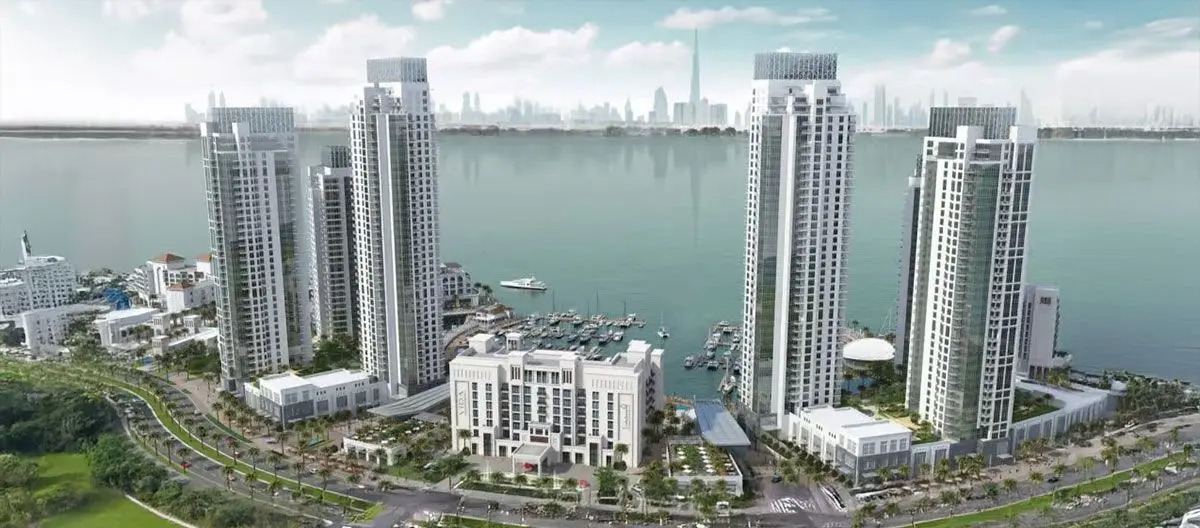
3. Dubai Creek Harbour
Dubai Creek Harbour combines waterfront living with significant planned public transport infrastructure. The Dubai Metro Blue Line will connect the district with Dubai Festival City, International City, Dubai Silicon Oasis, and Academic City.
The line is scheduled to open on 9 September 2029 and will include an iconic station at Dubai Creek Harbour. Improved connectivity expands the pool of residents who can live in the area while working elsewhere in the city.
What Strengthens the District
The district also offers:
- Waterfront residences
- Pedestrian-oriented public spaces
- Hospitality, retail, and leisure offerings
- Proximity to central Dubai
- Planned metro integration
Rather than relying only on its waterfront setting, Dubai Creek Harbour’s longer-term potential is increasingly supported by transport links and broader community development.
4. Dubai Silicon Oasis
Dubai Silicon Oasis presents a different profile, closely tied to technology, education, employment, and infrastructure. The Dubai 2040 Urban Master Plan identifies it as one of the city’s developing urban centres.
The Metro Blue Line will also serve Dubai Silicon Oasis, strengthening connections with Academic City, International City, Dubai Creek Harbour, and Dubai Festival City.
Who May Benefit Most
These elements may enhance appeal among:
- Technology professionals
- Employees working nearby
- Families
- University staff and students
- Long-term tenants
Locations that successfully combine employment, education, and residential uses often generate more stable demand than purely speculative districts.
5. Academic City and Nearby Residential Areas
Academic City represents a clear intersection of infrastructure and demographic activity. The area is expected to host more than 50,000 university students by 2029, and the Metro Blue Line will provide direct service.
Residential communities within convenient reach of major education clusters can benefit from ongoing accommodation demand from students, university employees, academic professionals, and supporting businesses. Unit type remains important, as smaller apartments often suit this demographic differently from larger family homes.
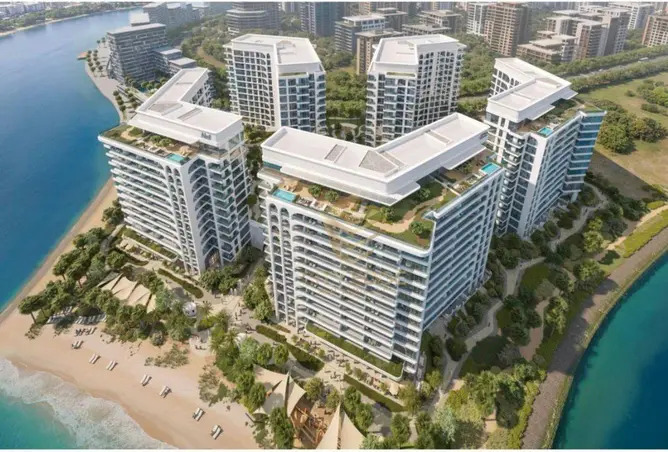
6. Dubai Islands
Dubai Islands is one of the emirate’s major long-term waterfront developments. The master plan covers five islands across approximately 18.6 square kilometres and includes around 21 kilometres of beachfront, along with hospitality destinations, residences, cultural facilities, marinas, and recreational spaces. Nakheel has confirmed that the project aligns with the Dubai 2040 Urban Master Plan.
Development continues to advance. In April 2026, Nakheel awarded a major infrastructure contract for Island B covering roads, utilities, telecommunications, drainage, and other essential systems required to support residential and hospitality growth.
Long-Term Strengths
Potential long-term strengths include:
- Waterfront scarcity
- Resort and hospitality development
- New residential communities
- Beaches and leisure facilities
- Proximity to established parts of Dubai
- Ongoing infrastructure investment
- Tourism potential
For those evaluating Dubai Properties with Future Growth Potential, Dubai Islands represents a significant coastal expansion area rather than a collection of isolated projects.
Infrastructure as a Core Driver of Growth
Architecture and amenities often receive the most attention. Yet infrastructure can exert a stronger influence on long-term demand. New metro stations, airports, roads, schools, and commercial centres reshape how easily people live and work in a neighbourhood.
The Dubai Metro Blue Line illustrates this clearly. The 30-kilometre route will feature 14 stations and connect multiple important residential and economic districts. Official projections indicate it could serve around 200,000 passengers per day by 2030 and 320,000 by 2040.
Planned infrastructure should therefore sit alongside developer quality and property specifications when assessing longer-term prospects.
Why Master-Planned Communities Matter
Dubai’s future development strategy increasingly focuses on integrated neighbourhoods rather than isolated residential towers. Master-planned communities typically combine housing with schools, healthcare, retail, parks, offices, hospitality, transport, and leisure facilities.
When these elements develop successfully, residents have more reasons to remain within the community. This supports long-term liveability and housing demand. The approach aligns closely with Dubai’s transit-oriented planning goals and the ambition to make essential services more accessible.
Looking Ahead
Identifying Dubai Properties with Future Growth Potential requires looking beyond current popularity. Meaningful opportunities often emerge where major infrastructure, employment, transport, tourism, and residential development converge.
Dubai South is being shaped by the expansion of Al Maktoum International Airport. Expo City is evolving into an integrated residential and commercial centre. Dubai Creek Harbour, Silicon Oasis, and Academic City are gaining relevance through the Metro Blue Line. Dubai Islands continues to develop as a major waterfront destination.
No location guarantees future appreciation. Buyers who focus on confirmed infrastructure, master planning, connectivity, community development, and employment drivers are better placed to make informed decisions.
For those evaluating Dubai’s next generation of neighbourhoods, Spacesmith can help identify properties aligned with individual objectives, preferred locations, and long-term ownership strategies.
Frequently Asked Questions.
1. Which areas in Dubai have future property growth potential?
Areas such as Dubai South, Dubai Creek Harbour, Dubai Islands, Dubai Silicon Oasis and communities surrounding Expo City are attracting attention due to infrastructure, connectivity and master-planned development.
2. What makes a Dubai property suitable for long-term investment?
Factors such as location, transport connectivity, nearby employment hubs, infrastructure development, community facilities, developer reputation and future supply can influence long-term investment potential.
3. Does new infrastructure increase property demand in Dubai?
Major transport and infrastructure projects can improve accessibility and make surrounding communities more attractive to residents and businesses. However, property performance also depends on supply, market conditions and the quality of the individual development.
4. Are emerging Dubai communities suitable for property investors?
Emerging communities can offer long-term opportunities when they are backed by strong master plans, infrastructure and economic activity. Investors should review project timelines, existing facilities and future development plans before purchasing.
5. How can investors identify Dubai properties with future growth potential?
Investors should study confirmed infrastructure projects, population and employment drivers, connectivity, developer track records, community maturity, property supply and the long-term development strategy of each location.